
Air Conditioner Not Cooling Properly? Here’s What to Check takes center stage, inviting readers into a world of knowledge, promising an absorbing and original reading experience.
The following paragraphs will delve into the common reasons behind cooling issues, thermostat checks, examining air vents and ducts, and assessing the condenser unit of an air conditioner.
Common Reasons for an Air Conditioner Not Cooling Properly
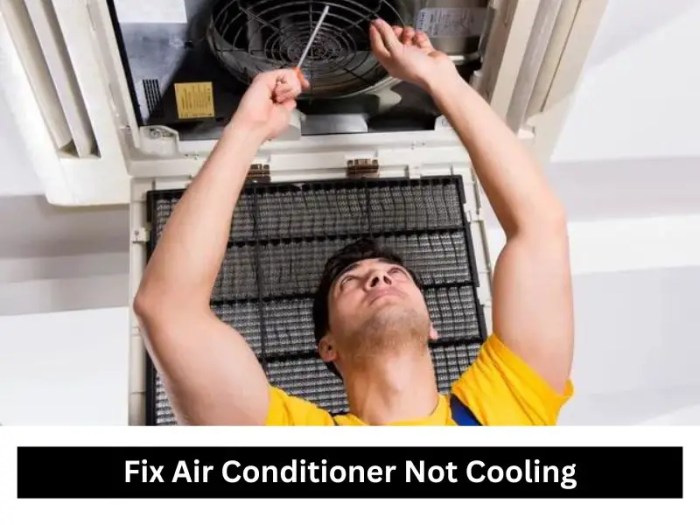
When your air conditioner is not cooling properly, it can be frustrating and uncomfortable. There are several common issues that can cause this problem, ranging from simple maintenance issues to more complex problems.
Lack of Maintenance
One of the most common reasons for an air conditioner not cooling properly is a lack of maintenance. Over time, dust and debris can build up in the unit, blocking airflow and reducing the efficiency of the system. It is important to regularly clean or replace air filters, check for any obstructions in the vents, and schedule routine maintenance to keep your air conditioner running smoothly.
Refrigerant Leaks
Refrigerant is a crucial component of the cooling process in an air conditioner. If there is a leak in the refrigerant lines, the system will not be able to cool effectively. Signs of a refrigerant leak include reduced cooling performance, hissing sounds coming from the unit, or ice buildup on the evaporator coils.
It is important to address refrigerant leaks promptly to prevent further damage to the system.
Dirty Air Filters
Dirty air filters can also contribute to poor cooling performance in an air conditioner. When air filters are clogged with dirt and debris, airflow is restricted, making it harder for the unit to cool the air efficiently. Regularly cleaning or replacing air filters can help improve the cooling process and prevent issues with your air conditioner.
Checking the Thermostat
When troubleshooting an air conditioner that is not cooling properly, checking the thermostat settings is crucial. The thermostat plays a key role in regulating the temperature in your home, so any issues with it can affect the cooling efficiency of your air conditioner.
Calibrating the Thermostat
Proper calibration of the thermostat is essential for optimal cooling performance. Follow these steps to ensure your thermostat is set correctly:
- Turn off the air conditioner before adjusting the thermostat.
- Remove the cover of the thermostat to access the calibration dial.
- Use a small screwdriver to adjust the dial to the correct temperature setting.
- Replace the cover and turn on the air conditioner to test if the calibration is accurate.
Impact of Incorrect Thermostat Settings
Incorrect thermostat settings can lead to inadequate cooling in your home. If the thermostat is set too high, the air conditioner may not kick in when needed, resulting in a warmer indoor temperature. On the other hand, setting the thermostat too low can cause the air conditioner to run constantly, leading to high energy bills.
Troubleshooting Thermostat Problems
If you suspect that your thermostat is causing cooling issues, consider the following troubleshooting tips:
- Check the thermostat batteries to ensure they are not dead.
- Inspect the thermostat for any dust or debris that may be affecting its accuracy.
- Verify that the thermostat is level on the wall, as an uneven placement can impact its performance.
- Consider upgrading to a programmable thermostat for better temperature control and energy savings.
Examining Air Vents and Ducts
Inspecting air vents and ducts is crucial to ensure proper airflow and efficient cooling of your air conditioner. Blockages or obstructions in these areas can significantly impact the performance of your cooling system.
Guide on Cleaning and Maintaining Air Vents
- Regularly vacuum or dust the air vents to prevent the buildup of dirt and debris.
- Ensure that all vents are open and not blocked by furniture or other objects.
- Consider using a duct cleaning service to remove any accumulated dust or mold inside the ductwork.
Impact of Blocked Vents on Cooling Performance
- Blocked vents restrict the airflow, causing the air conditioner to work harder to cool the room.
- This can lead to inefficient cooling, increased energy consumption, and potential damage to the system.
- Proper airflow is essential for the air conditioner to function effectively and maintain a comfortable indoor environment.
Detecting and Addressing Ductwork Issues
- Inspect the ductwork for leaks, gaps, or damage that may be affecting the airflow.
- Seal any leaks or gaps with duct tape or other appropriate materials to improve efficiency.
- Consider hiring a professional HVAC technician to conduct a thorough inspection and repairs if needed.
Assessing the Condenser Unit
When it comes to the cooling process of an air conditioner, the condenser unit plays a crucial role in dissipating heat from the refrigerant. This allows the refrigerant to cool down and circulate back into the system to continue cooling the air.
Inspecting the Condenser Unit
One of the common reasons for an air conditioner not cooling properly is a dirty or damaged condenser unit. To inspect the condenser unit, you should:
- Check for any dirt, debris, or leaves that may have accumulated on the condenser coils. Use a soft brush or vacuum cleaner to gently clean the coils and fins.
- Ensure that there are no obstructions blocking the airflow around the condenser unit. Trim any vegetation or remove any objects that might be impeding proper airflow.
- Inspect the condenser fins for any damage or bending. Straighten out any bent fins using a fin comb to optimize airflow.
Maintenance Tip: Regularly clean the condenser unit at least once a year to ensure optimal performance and efficiency.
Impact of a Malfunctioning Condenser Unit
A malfunctioning condenser unit can significantly affect the cooling capacity of an air conditioner. If the condenser unit is dirty or damaged, it will struggle to dissipate heat efficiently, leading to reduced cooling performance. This can result in longer running times, higher energy consumption, and inadequate cooling of the indoor space.
Ending Remarks
In conclusion, understanding these key factors is essential in troubleshooting and maintaining the optimal performance of your air conditioner. Stay informed and keep your cooling system running smoothly.
FAQ Guide
What are common reasons for an air conditioner not cooling properly?
Common issues include lack of maintenance, refrigerant leaks, and dirty air filters that hinder cooling performance.
Why is checking the thermostat important?
Checking the thermostat settings ensures optimal cooling; incorrect settings can affect efficiency.
How do blocked air vents impact cooling?
Blocked vents reduce airflow and hinder overall cooling performance.
What is the role of the condenser unit?
The condenser unit plays a crucial role in the cooling process of an air conditioner.