
Air Conditioner Cleaning Tips to Boost Efficiency sets the stage for this enthralling narrative, offering readers a glimpse into a story that is rich in detail and brimming with originality from the outset.
Regular cleaning of your air conditioner is crucial to ensure optimal performance and longevity. Neglecting this maintenance can lead to various issues that affect efficiency. By following these cleaning tips, you can enhance the effectiveness of your air conditioner and enjoy a cooler environment.
Importance of Air Conditioner Cleaning
Regular cleaning of your air conditioner is crucial for maintaining its efficiency and performance. Over time, dust, dirt, and debris can accumulate in the system, causing it to work harder and consume more energy to cool your space. This can lead to higher electricity bills and decreased cooling capacity.
Impact of a Dirty Air Conditioner
- Airflow restriction: Accumulated dirt can clog the filters and coils, reducing the airflow and making it harder for the system to cool the air effectively.
- Decreased cooling efficiency: A dirty air conditioner has to work harder to maintain the desired temperature, leading to increased wear and tear on the components.
- Potential breakdowns: Neglecting cleaning can result in system malfunctions, breakdowns, and the need for costly repairs.
Prolonging the Lifespan of Your Air Conditioner
- Regular maintenance: Cleaning the filters, coils, and other components can help prevent damage and extend the lifespan of your air conditioner.
- Improved performance: A clean air conditioner operates more efficiently, reducing the strain on the system and increasing its longevity.
- Cooling capacity: By keeping your air conditioner clean, you ensure that it can cool your space effectively without overworking the components.
Tools and Supplies Needed
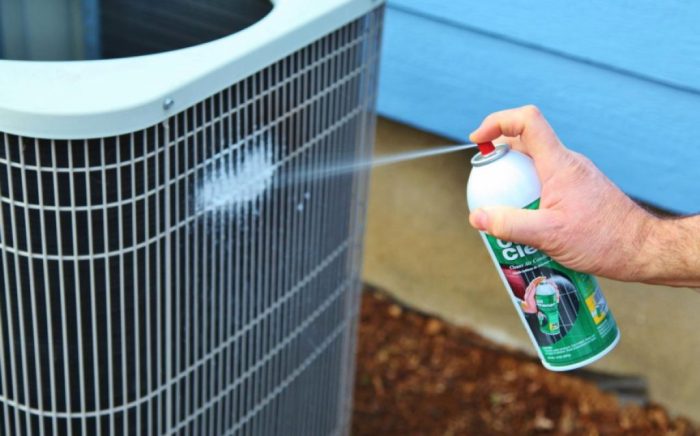
When it comes to cleaning your air conditioner, having the right tools and supplies is essential to ensure thorough maintenance and optimal efficiency. Here are the tools required for cleaning an air conditioner and their importance in the cleaning process:
1. Fin Comb
- A fin comb is used to straighten the aluminum fins on the evaporator and condenser coils.
- By straightening the fins, air can flow more efficiently through the coils, improving the overall performance of the air conditioner.
- You can purchase a fin comb at your local hardware store or online.
2. Coil Cleaner
- Coil cleaner is specifically designed to remove dirt, dust, and debris from the coils of the air conditioner.
- Regular cleaning of the coils helps maintain proper heat transfer and cooling capacity of the unit.
- You can find coil cleaner at hardware stores, home improvement stores, or online retailers.
3. Vacuum Cleaner with Crevice Tool
- A vacuum cleaner with a crevice tool is useful for removing dirt and debris from hard-to-reach areas in the air conditioner.
- It helps ensure that all dust and debris are effectively removed, preventing clogs and blockages.
- You can purchase a vacuum cleaner with a crevice tool at appliance stores, department stores, or online.
4. Gloves and Safety Goggles
- Gloves and safety goggles are essential for protecting your hands and eyes while cleaning the air conditioner.
- They help prevent injuries from sharp edges, chemicals, or debris that may be present during the cleaning process.
- You can find gloves and safety goggles at hardware stores, home improvement stores, or online.
Cleaning the Air Filters
Ensuring clean air filters in your air conditioner is crucial for optimizing its efficiency and performance.
Importance of Clean Air Filters
- Dirty air filters can restrict airflow, making your air conditioner work harder to cool your space.
- This can lead to increased energy consumption and higher electricity bills.
- Clean air filters also help maintain good indoor air quality by trapping dust, pollen, and other particles.
Steps to Remove and Clean Air Filters
Follow these steps to properly remove and clean your air filters:
- Turn off the air conditioner and locate the air filter compartment.
- Carefully remove the air filter from the compartment.
- Inspect the filter for dirt, dust, and debris.
- If reusable, wash the filter with mild soap and water. If disposable, replace it with a new one.
- Allow the filter to dry completely before reinstalling it.
Frequency of Air Filter Cleaning
It is recommended to clean or replace air filters every 1-3 months for optimal performance.
Cleaning the Coils
When it comes to maintaining the efficiency of your air conditioner, cleaning the coils is essential. The coils play a crucial role in the cooling process by transferring heat, and any dirt or debris buildup can hinder their effectiveness.
Cleaning Evaporator Coils
To clean the evaporator coils, start by turning off the power to the air conditioner. Remove the access panel to reach the coils. Use a soft brush to gently clean off any dust or dirt. You can also use a mild detergent and water solution to wipe down the coils.
Make sure to rinse thoroughly and let them dry completely before reassembling.
Cleaning Condenser Coils
Cleaning the condenser coils is crucial for optimal airflow and heat exchange. Begin by turning off the power to the unit. Use a coil cleaning solution specifically designed for condenser coils. Spray the solution on the coils and let it sit for a few minutes to break down any buildup.
Rinse the coils with water using a garden hose, being careful not to bend the fins. Allow the coils to dry before turning the power back on.
Clearing the Drainage System
Maintaining a clear drainage system is crucial for the efficiency of your air conditioner. A clogged drainage system can lead to water leakage, reduced cooling performance, and even mold growth.
Checking and Clearing the Drainage System
To check and clear the drainage system of your air conditioner, start by locating the drain line. This is typically a PVC pipe connected to the indoor unit. Inspect the drain line for any visible clogs or blockages. You can use a wet/dry vacuum or a plumber's snake to remove any debris obstructing the flow of water.Next, pour a mixture of bleach and water down the drain line to help clear out any mold or algae buildup.
This can also help prevent future clogs in the drainage system. Finally, consider installing a drain pan treatment tablet to help keep the drain line clean and clear.
Preventing Clogs in the Drainage System
To prevent clogs in the drainage system, it is important to perform regular maintenance. This includes checking the drain line periodically for any signs of clogs or blockages. Additionally, you can pour a cup of vinegar down the drain line every few months to help prevent mold and algae growth.Ensuring proper insulation on the drain line can also prevent condensation from forming and causing clogs.
Finally, consider scheduling annual professional maintenance for your air conditioner to ensure that the drainage system is clear and functioning properly.
Checking Refrigerant Levels
Checking the refrigerant levels in your air conditioner is crucial for ensuring optimal efficiency and performance. Adequate refrigerant levels are essential for the unit to function properly and cool your space effectively.
How to Check Refrigerant Levels
To check the refrigerant levels in your air conditioner, you will need a pressure gauge. First, turn off the unit and allow it to cool down. Then, locate the service valves on the refrigerant lines. Attach the pressure gauge to the valves and observe the readings.
Compare the pressure readings to the manufacturer's specifications to determine if the refrigerant levels are within the recommended range.
- Ensure the unit is turned off and cooled down before checking the refrigerant levels.
- Use a pressure gauge to measure the pressure in the refrigerant lines.
- Compare the pressure readings to the manufacturer's specifications.
Consequences of Low Refrigerant Levels
Low refrigerant levels can have a negative impact on your air conditioner's performance. When the refrigerant levels are low, the unit may struggle to cool the air effectively, resulting in inefficient operation and higher energy consumption. Additionally, low refrigerant levels can lead to increased wear and tear on the compressor, potentially causing costly damage to the unit.
It is important to regularly check and maintain the refrigerant levels in your air conditioner to ensure optimal performance and energy efficiency.
Final Wrap-Up
In conclusion, maintaining a clean air conditioner through regular cleaning practices can significantly improve its efficiency and lifespan. By focusing on cleaning air filters, coils, drainage systems, and monitoring refrigerant levels, you can ensure that your air conditioner operates at its best.
Implementing these tips will not only save you money on energy bills but also provide a more comfortable indoor environment.
Query Resolution
How often should I clean my air filters?
It is recommended to clean or replace air filters every 1-3 months for optimal performance.
What tools do I need to clean my air conditioner coils?
You will need a coil cleaner, soft brush, and vacuum to effectively clean the coils.
Why is it important to check refrigerant levels?
Adequate refrigerant levels are essential for the air conditioner to cool efficiently. Low levels can lead to poor performance and potential damage to the unit.