
When it comes to Air Conditioner Installation Costs: What to Expect, readers can anticipate a comprehensive guide filled with valuable insights and practical advice. This opening passage sets the stage for an informative journey that delves into the intricacies of installation expenses, offering a blend of expertise and clarity for a fulfilling read.
The following paragraph will delve deeper into the specifics of the topic, providing a detailed overview of what readers can expect.
Factors Affecting Air Conditioner Installation Costs
When it comes to installing an air conditioner, several factors can influence the overall cost of the installation. Understanding these factors can help you budget and plan accordingly for your project.
Size of the Unit
The size of the air conditioner unit plays a significant role in determining the installation costs. Larger units require more materials and labor to install, which can result in higher overall costs. Additionally, the size of the unit will impact the amount of cooling power it provides, affecting its efficiency and long-term energy costs.
Type of System
The type of air conditioning system you choose can also impact the installation costs. For example, ductless mini-split systems are generally more expensive to install than traditional central air systems due to their unique installation requirements. It's essential to consider the pros and cons of each system type before making a decision to ensure you choose the best option for your needs and budget.
Installation Complexity
The complexity of the installation process can also affect the overall costs. Factors such as the layout of your home, accessibility of the installation site, and any existing ductwork can impact the labor and time required for the installation. More complex installations may require additional materials or specialized expertise, leading to higher costs.
Additional Features
Incorporating additional features like smart thermostats or zoning systems can also contribute to variations in installation costs. While these features can enhance the efficiency and convenience of your air conditioning system, they may require additional equipment and labor to install, increasing the overall project cost.
It's essential to weigh the benefits of these features against the added cost to determine if they are worth the investment for your specific needs.
Average Cost Range for Air Conditioner Installation
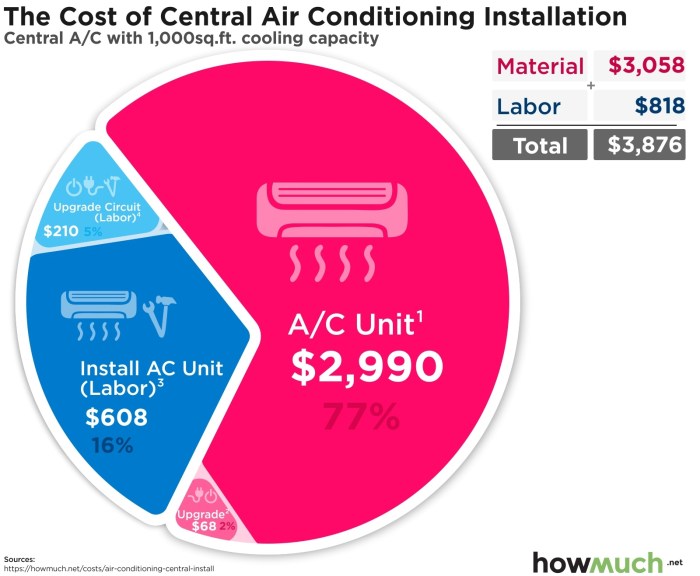
When it comes to installing a new air conditioning system, the costs can vary depending on several factors. It's essential to understand the average cost range for different types of air conditioning installations to make an informed decision.Central Air Conditioning:The average cost range for installing a central air conditioning system typically falls between $3,000 to $7,000.
This cost includes the unit, labor, and any additional materials needed for the installation.Ductless Mini-Split Systems:For ductless mini-split systems, the average cost range is usually between $3,000 to $10,000. The price can vary based on the number of indoor units needed, the size of the system, and the complexity of the installation.Window Units:Installing a window unit is generally the most affordable option, with costs ranging from $200 to $500.
However, keep in mind that window units are designed for cooling smaller spaces and may not be suitable for larger homes or buildings.Regional Variations:It's important to note that the average cost of air conditioner installation can vary depending on your location.
Factors such as local labor rates, permit requirements, and climate conditions can influence the overall cost. For example, installation costs may be higher in urban areas with higher living expenses compared to rural areas.Overall, understanding the average cost range for air conditioner installation based on the type of system and regional factors can help you budget effectively and choose the best option for your cooling needs.
Cost Breakdown
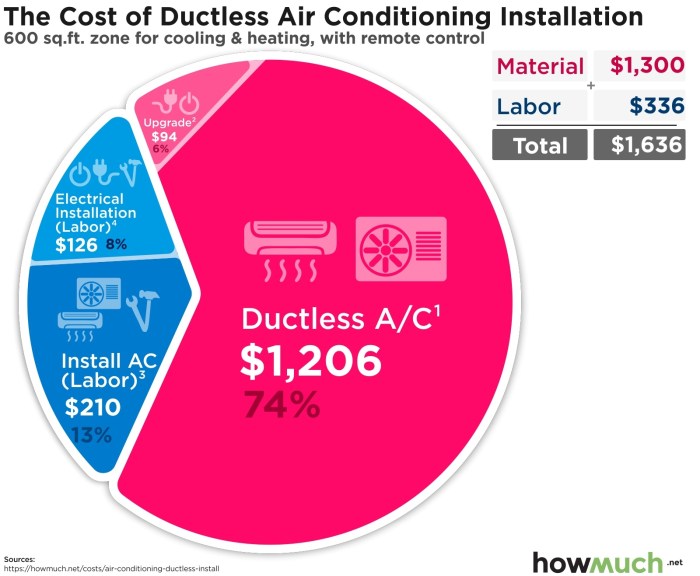
Installing an air conditioner involves various costs that can be broken down into labor, materials, and additional expenses. Understanding these components can help you get a clearer picture of what to expect in terms of expenses.
Labor Charges
When it comes to labor charges for air conditioner installation, the complexity of the job plays a significant role in determining the cost. On average, labor costs can range from $70 to $130 per hour. Factors such as the size of the unit, placement, and any necessary modifications to existing ductwork or electrical systems can impact the final labor charges.
Materials Cost
The materials needed for air conditioner installation include ductwork, refrigerant, and electrical components. The cost of these materials can vary depending on the size and type of the unit being installed. On average, materials can range from $1,000 to $4,000.
Keep in mind that higher efficiency units or specialized equipment may come with additional material costs.
Additional Expenses
In addition to labor and materials, there may be other expenses to consider when installing an air conditioner. These can include permits, disposal fees for old equipment, and any necessary upgrades to your electrical system. It's essential to factor in these additional expenses to ensure a smooth and hassle-free installation process.
Cost-Saving Tips and Strategies for Air Conditioner Installation
When it comes to installing an air conditioner, there are ways to save on costs without compromising the quality of the installation. By following some tips and strategies, you can ensure that you get the best value for your money while enjoying the benefits of a properly installed cooling system.
Hiring a Professional HVAC Contractor
One of the best ways to save on air conditioner installation costs is to hire a professional HVAC contractor. While it may seem more expensive upfront, hiring a skilled and experienced professional will ensure that the installation is done correctly the first time.
This can prevent costly mistakes and repairs down the line, ultimately saving you money in the long run.
Energy-Efficient Options
Opting for energy-efficient air conditioning units can also help you save on long-term operational costs. While these units may have a higher upfront cost, they are designed to be more energy-efficient, leading to lower monthly utility bills. Look for units with a high SEER (Seasonal Energy Efficiency Ratio) rating to ensure maximum energy savings over time.
Regular Maintenance
Another cost-saving tip is to schedule regular maintenance for your air conditioner. By keeping your unit properly maintained, you can prevent costly repairs and extend the lifespan of your system. Simple tasks such as replacing air filters, cleaning coils, and checking refrigerant levels can go a long way in ensuring your unit operates efficiently and cost-effectively.
Proper Sizing
Ensuring that your air conditioner is properly sized for your space is crucial in saving costs. An oversized unit will lead to inefficiency and higher energy bills, while an undersized unit will struggle to cool your space effectively. By having a professional assess your cooling needs and recommend the right size unit, you can avoid unnecessary expenses and ensure optimal performance.
Final Wrap-Up
As we conclude our discussion on Air Conditioner Installation Costs: What to Expect, we reflect on the key points covered and leave readers with a lasting impression of the intricacies involved in budgeting for air conditioning installations.
Question Bank
What factors can influence air conditioner installation costs?
The size of the unit, type of system, installation complexity, and additional features like smart thermostats or zoning systems can impact costs.
What is the average cost range for installing a new air conditioning system?
The average cost range varies depending on the type of system, with central air conditioning being more expensive than ductless mini-split systems or window units.
How can one reduce air conditioner installation costs?
Tips include hiring a professional HVAC contractor, exploring energy-efficient options, and carefully considering labor, materials, and additional expenses.