
Air Conditioning for Allergies: Tips for Cleaner Indoor Air sets the stage for this enthralling narrative, offering readers a glimpse into a story that is rich in detail with casual formal language style and brimming with originality from the outset.
Indoor air quality is crucial for allergy sufferers, and air conditioning plays a vital role in creating a healthier environment. Let's dive into the world of clean indoor air and how to achieve it effectively.
Importance of Clean Indoor Air
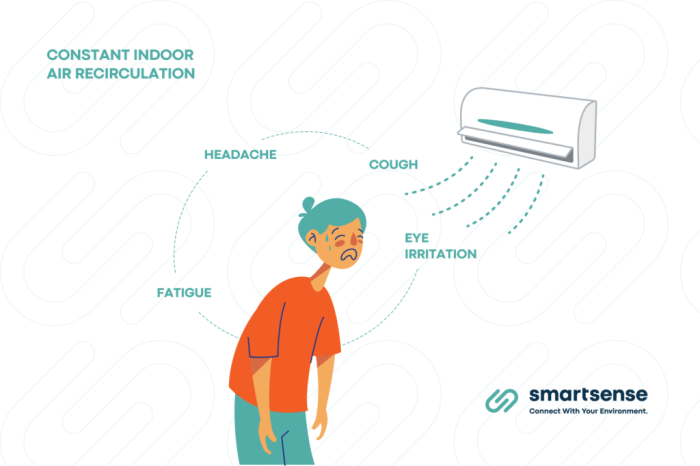
For allergy sufferers, clean indoor air is crucial for maintaining good health and reducing symptoms triggered by common allergens present in the air. Poor indoor air quality can exacerbate allergies and respiratory issues, making it essential to improve the air you breathe within your home.
How Air Conditioning Improves Indoor Air Quality
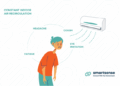
Air conditioning systems play a significant role in enhancing indoor air quality by filtering out pollutants and allergens that can trigger allergic reactions. These systems help to circulate and purify the air, creating a cleaner and healthier environment for allergy sufferers.
- Air filters in air conditioning units capture dust, pollen, pet dander, and other allergens, preventing them from circulating in the indoor air.
- Properly maintained air conditioning systems can control humidity levels, reducing the growth of mold and mildew, which are common allergens.
- By keeping windows closed while running the air conditioner, you can prevent outdoor allergens like pollen from entering your home and causing allergy symptoms.
Common Allergens Found in Indoor Air
- Dust Mites:These microscopic insects thrive in bedding, upholstered furniture, and carpets, and their waste particles can trigger allergic reactions.
- Pollen:Pollen from plants and trees can enter indoor spaces through open windows and contribute to allergy symptoms.
- Pet Dander:Tiny flecks of skin shed by pets can become airborne and cause allergies in sensitive individuals.
- Mold Spores:Mold can grow in damp areas of the home, releasing spores into the air that can worsen allergies and respiratory issues.
Choosing the Right Air Conditioning System
When it comes to managing allergies, choosing the right air conditioning system can make a significant difference in the quality of indoor air. Consider these key features to look for in an air conditioning system for allergy relief.
Types of Air Filters
- High-Efficiency Particulate Air (HEPA) Filters: Known for their ability to capture up to 99.97% of particles as small as 0.3 microns, including allergens like dust, pollen, pet dander, and mold spores.
- Electrostatic Filters: These filters use an electrostatic charge to attract and capture particles, but they may not be as effective as HEPA filters.
- Activated Carbon Filters: Ideal for removing odors and chemical fumes, but less effective at capturing allergens.
Choosing an air conditioning system with a HEPA filter can significantly reduce allergens in the air, providing relief for allergy sufferers.
Proper Sizing and Maintenance
- Proper Sizing: Ensuring the air conditioning system is the right size for your space is crucial for efficient operation. An undersized unit may struggle to filter the air effectively, while an oversized unit can lead to poor humidity control.
- Maintenance: Regular maintenance, including filter changes, cleaning coils, and ductwork inspections, is essential to ensure optimal performance and prevent the buildup of allergens.
Tips for Allergy-Friendly Indoor Air
Creating an allergy-friendly indoor environment goes beyond just having the right air conditioning system. Here are some additional strategies to reduce allergens in your home:
Setting the Right Temperature and Humidity Levels
It is essential to maintain optimal temperature and humidity levels in your home to help alleviate allergy symptoms. Keeping the temperature between 68-72 degrees Fahrenheit and humidity levels below 50% can help prevent the growth of mold and dust mites, common allergens.
Using Air Purifiers or Dehumidifiers
Consider using air purifiers or dehumidifiers in conjunction with your air conditioning system to further improve indoor air quality. Air purifiers can help filter out airborne allergens like pollen, pet dander, and dust, while dehumidifiers can reduce moisture levels, inhibiting mold growth.
Maintenance and Cleaning Practices
Regular maintenance and cleaning of air conditioning units are essential to prevent allergen buildup and ensure cleaner indoor air quality. Proper upkeep not only extends the lifespan of the system but also contributes to a healthier living environment for individuals with allergies.
Tips for Cleaning Air Vents, Ducts, and Filters
- Regularly inspect and clean air vents to remove dust, debris, and potential allergens that may accumulate over time.
- Have air ducts professionally cleaned to prevent the spread of dust, mold, and other contaminants throughout the home.
- Replace or clean air filters according to manufacturer's recommendations to maintain optimal air flow and filtration efficiency.
- Consider using high-efficiency particulate air (HEPA) filters to capture smaller particles and improve indoor air quality.
Importance of Professional Inspections and Cleanings
- Schedule regular professional inspections and cleanings of your air conditioning system to ensure it is functioning properly and efficiently.
- Professional technicians can identify and address any issues with the system that may impact indoor air quality, such as mold growth or leaks.
- Regular maintenance by professionals can help prevent costly repairs and ensure that your air conditioning system operates at peak performance.
Ending Remarks
In conclusion, maintaining clean indoor air is a key step in managing allergies. By following the tips and strategies discussed, you can create a more comfortable and allergen-free living space for yourself and your loved ones. Take charge of your indoor air quality and breathe easier every day.
Top FAQs
Why is clean indoor air important for allergy sufferers?
Clean indoor air helps reduce exposure to allergens, leading to fewer allergy symptoms and improved overall health.
What features should I look for in an air conditioning system for allergy relief?
Look for systems with high-efficiency particulate air (HEPA) filters, good ventilation, and humidity control to minimize allergens in the air.
How often should I schedule maintenance for my air conditioning unit to prevent allergen buildup?
It's recommended to have your air conditioning unit serviced at least once a year to ensure optimal performance and reduce allergen accumulation.