

Delving into the world of smart air conditioners that seamlessly integrate with Alexa & Google opens up a realm of possibilities for modern homeowners seeking efficiency and comfort. Let's explore the innovative features and benefits that these devices offer, setting the stage for a transformative experience in home climate control.
As we dive deeper into the details, you'll uncover the key aspects that make these smart air conditioners stand out in the market, revolutionizing the way we interact with our living spaces.
Overview of Smart Air Conditioners
Smart air conditioners are innovative devices that can be controlled remotely through a smartphone or smart home assistant like Alexa or Google Assistant. These devices utilize Wi-Fi connectivity to enable users to adjust settings, monitor energy usage, and schedule cooling cycles from anywhere with an internet connection.
The benefits of using smart air conditioners are numerous. Firstly, they offer increased energy efficiency by allowing users to customize cooling schedules based on their daily routines. This can lead to lower energy bills and reduced environmental impact. Additionally, smart air conditioners provide convenience by enabling hands-free control through voice commands or automated schedules.
Some popular smart air conditioner brands on the market include LG, Frigidaire, GE, and Midea. These brands offer a range of models with varying features such as compatibility with smart home systems, energy-saving modes, and personalized cooling options.
Integration with Alexa & Google
Smart air conditioners have the capability to integrate with popular voice assistants like Alexa and Google Assistant, allowing users to control their cooling systems with simple voice commands. This integration adds convenience and flexibility to managing the temperature in your home.
Compatibility and Features
When it comes to compatibility and features, both Alexa and Google Assistant offer similar functionalities for controlling smart air conditioners. Users can adjust the temperature, set schedules, and even monitor energy usage using voice commands through these platforms. The main difference lies in the ecosystem and devices each assistant supports.
- Alexa: Amazon's Alexa works seamlessly with a wide range of smart home devices, including smart air conditioners. Users can enable specific skills or routines to enhance the control and automation of their cooling systems. Alexa also offers compatibility with various brands and models, providing users with more options to choose from.
- Google Assistant: Google Assistant offers a user-friendly interface for controlling smart air conditioners, similar to Alexa. Users can use voice commands to adjust settings and access additional features through the Google Home app. Google Assistant is known for its integration with Google's ecosystem, making it a preferred choice for users already using other Google services or devices.
Setup Process
Connecting a smart air conditioner to Alexa or Google Assistant typically involves the following steps:
- Ensure your smart air conditioner is compatible with either Alexa or Google Assistant.
- Download the corresponding app (Amazon Alexa app or Google Home app) on your smartphone or tablet.
- Follow the app's instructions to add a new device and search for your smart air conditioner model.
- Complete the setup process by linking your smart air conditioner to your Alexa or Google Assistant account.
- You can now use voice commands to control your air conditioner through Alexa or Google Assistant.
Key Features to Look For
When choosing a smart air conditioner that works with Alexa and Google, there are several key features to consider to ensure you get the best performance and convenience. Here are some essential features to look for:
Cooling Capacity
The cooling capacity of the air conditioner is crucial to consider, as it determines how effectively the unit can cool your space. Look for models with the appropriate cooling capacity based on the size of the room you need to cool.
Energy Efficiency
Opting for an energy-efficient smart air conditioner can help you save on your electricity bills while reducing your environmental impact
Smart Home Integration
Ensure that the smart air conditioner you choose is compatible with Alexa and Google Assistant for seamless integration into your smart home ecosystem. This allows you to control the air conditioner using voice commands or through your smart devices.
Noise Levels
Consider the noise levels of the air conditioner, especially if you plan to use it in a bedroom or living room. Look for models with low noise levels to ensure a quiet and comfortable environment while the air conditioner is running.
Mobile App Control
Having a mobile app for controlling the air conditioner remotely is a convenient feature that allows you to adjust settings, monitor energy usage, and schedule cooling cycles from anywhere. Look for models with user-friendly mobile apps for added convenience.
User Experience and Convenience
Using smart air conditioners with voice assistants like Alexa and Google can greatly enhance the convenience and user experience of controlling your home's temperature. Here are some practical tips and insights to help you make the most of this technology:
Maximizing Convenience with Voice Control
- Set up specific voice commands for different temperature settings, such as "Alexa, set the living room to 72 degrees."
- Group your smart devices together in the Alexa or Google Home app for easier control of multiple air conditioners at once.
- Utilize scheduling features to automatically adjust the temperature based on your daily routine, such as cooling the bedroom before bedtime.
- Explore additional integrations with smart home devices, such as smart thermostats or sensors, to enhance the overall automation of your home's climate control.
Common Issues and Challenges
- Wi-Fi connectivity issues can sometimes disrupt communication between the smart air conditioner and voice assistant, leading to inconsistencies in control.
- Compatibility problems may arise if the smart air conditioner model is not fully supported by the voice assistant platform, resulting in limited functionality.
- Privacy concerns related to always-on voice assistants may deter some users from fully embracing the convenience of voice-controlled air conditioning.
- Learning curve for setting up voice commands and customizing preferences may require some initial patience and troubleshooting to achieve the desired user experience.
Wrap-Up
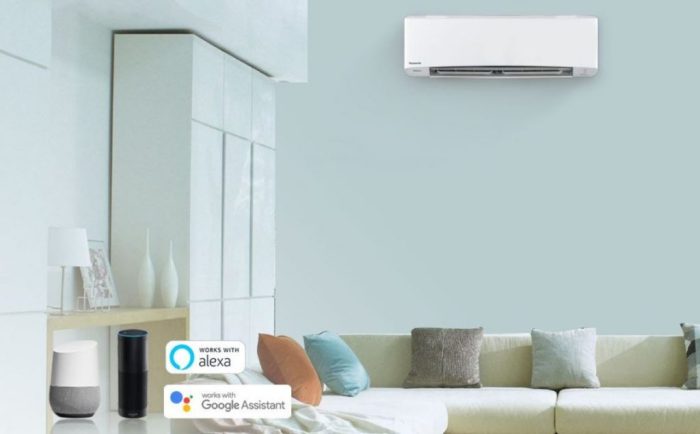
In conclusion, the realm of smart air conditioners compatible with Alexa & Google presents a promising future of personalized comfort and energy efficiency. With a variety of features and user-friendly interfaces, these devices redefine the concept of home climate control.
Embrace the convenience and innovation that smart technology brings to your fingertips.
Quick FAQs
How do smart air conditioners differ from traditional ones?
Smart air conditioners can be controlled remotely through smart devices and offer features like scheduling and energy usage monitoring, unlike traditional models.
What are some popular brands that offer smart air conditioners compatible with Alexa & Google?
Popular brands include LG, Frigidaire, and Haier, known for their innovative smart home appliances.
Can I use voice commands to adjust the temperature with Alexa and Google Assistant?
Yes, both Alexa and Google Assistant allow users to change the temperature settings using voice commands for added convenience.
Do smart air conditioners with voice control require a specific mobile app for operation?
Yes, most smart air conditioners come with a dedicated mobile app that allows users to control the device remotely and access additional features.