
Delving into the realm of Common Air Conditioner Problems and How to Solve Them, readers are invited to explore a wealth of knowledge presented in a captivating manner, promising an enlightening journey through the intricacies of air conditioning issues and solutions.
In the subsequent paragraph, detailed insights and explanations on the topic will be provided, ensuring a thorough understanding for readers seeking answers to their air conditioner woes.
Common Air Conditioner Problems
When it comes to air conditioners, there are several common problems that can arise if not properly maintained. Identifying these issues early on can prevent costly repairs and ensure your AC unit functions efficiently.
1. Refrigerant Leaks
Refrigerant leaks are a common issue that can lead to reduced cooling efficiency. If you notice that your air conditioner is not cooling as effectively as before, it could be a sign of a refrigerant leak. Contact a professional to inspect and fix the leak to avoid further damage.
2. Dirty or Clogged Filters
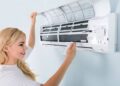
Dirty or clogged filters restrict airflow, making your air conditioner work harder to cool your space. This can lead to increased energy consumption and potential damage to the unit. Regularly cleaning or replacing filters is essential to maintain optimal performance.
3. Electrical Issues
Electrical problems, such as faulty wiring or malfunctioning components, can cause your air conditioner to stop working or operate inefficiently. If you experience frequent tripped breakers or unusual noises coming from your unit, it's important to have a professional diagnose and repair the issue.
4. Thermostat Problems
Inaccurate thermostat readings can result in your air conditioner not cooling or heating your space properly. Calibrating or replacing the thermostat can help ensure that your unit maintains the desired temperature effectively.
5. Lack of Maintenance
Failure to schedule regular maintenance for your air conditioner can lead to a variety of problems, including reduced efficiency, increased energy costs, and potential breakdowns. Routine maintenance, such as cleaning coils, checking refrigerant levels, and inspecting all components, is crucial to prevent common issues.
Refrigerant Leaks
Refrigerant leaks in an air conditioner can lead to inefficiency and potential health hazards. Detecting and addressing these leaks is crucial for the proper functioning of your AC unit.
Detecting a Refrigerant Leak
- One common sign of a refrigerant leak is reduced cooling capacity. If your AC is not cooling as effectively as before, there may be a leak.
- Listen for a hissing or bubbling noise near the refrigerant lines, which could indicate a leak.
- Inspect the evaporator coil for ice buildup, as this could be a result of low refrigerant levels caused by a leak.
Potential Dangers of Ignoring Refrigerant Leaks
- Refrigerant leaks can lead to decreased efficiency and increased energy bills as the AC unit works harder to cool your space.
- Exposure to refrigerant gases can be harmful to your health, causing symptoms like headaches, dizziness, and respiratory issues.
- Over time, a refrigerant leak can cause irreparable damage to your air conditioning system, leading to costly repairs or replacement.
Solutions for Addressing and Fixing Refrigerant Leaks
- Once a leak is detected, it is essential to call a professional HVAC technician to locate and repair the leak.
- The technician will repair the leak and recharge the refrigerant to ensure the proper functioning of your air conditioner.
- Regular maintenance and inspections can help prevent refrigerant leaks by catching any issues early on before they escalate.
Frozen Evaporator Coils
When air conditioner evaporator coils freeze up, it can cause the system to malfunction and stop cooling effectively. Understanding the causes behind this issue and knowing how to troubleshoot and resolve it is essential for maintaining the efficiency of your air conditioning unit.Frozen evaporator coils are often caused by restricted airflow or low refrigerant levels.
When there is not enough warm air passing over the coils, condensation can freeze and build up on them, leading to ice formation. Low refrigerant levels can also result in decreased pressure and temperature, causing the coils to freeze.
Troubleshooting and Resolution
- Check and replace dirty air filters regularly to ensure proper airflow over the coils. Clogged filters can restrict air circulation and lead to coil freezing.
- Inspect the refrigerant levels and recharge if necessary. Low refrigerant can cause the coils to freeze due to decreased pressure and temperature.
- Clean the evaporator coils to remove any built-up debris or dirt that could be impeding airflow and causing freezing. Use a soft brush or vacuum to gently clean the coils.
- Ensure that all vents and ducts are open and unobstructed to allow for proper airflow throughout the system.
Impact of Dirty Filters
Dirty filters can have a significant impact on the freezing of evaporator coils in an air conditioner
This can lead to ice buildup on the coils and cause the system to stop cooling effectively. Regularly changing or cleaning air filters is crucial for preventing frozen evaporator coils and maintaining the efficiency of your air conditioning unit.
Faulty Capacitors

In an air conditioning system, capacitors play a crucial role in helping the motors start and run efficiently. Capacitors store and release electrical energy to provide the necessary power for the compressor and fan motors to function properly.
Signs of Capacitor Failure and Effects
When capacitors start to fail, there are several signs to watch out for:
- AC unit struggles to start or takes longer than usual to kick in
- Intermittent cooling or inconsistent airflow
- Frequent system breakdowns
Capacitor failure can lead to increased energy consumption, reduced cooling performance, and eventually cause damage to the compressor and other components in the system.
Diagnosing and Replacing Faulty Capacitors
Diagnosing a faulty capacitor involves testing it with a multimeter to check if it is holding the correct charge. If the capacitor is faulty, it needs to be replaced as soon as possible to prevent further damage to the AC unit.
- Turn off the power to the air conditioner
- Locate the capacitors in the system
- Discharge the capacitor to ensure safety
- Remove the faulty capacitor carefully
- Install a new capacitor of the same specifications
- Restore power and test the system
It is essential to follow safety precautions and consult a professional if you are unsure about replacing the capacitor yourself.
Inadequate Maintenance
Regular maintenance is crucial for the proper functioning of air conditioners. Neglecting maintenance can lead to a host of problems that can affect the efficiency and lifespan of the unit. By following a routine maintenance checklist, you can ensure that your air conditioner runs smoothly and efficiently.
Importance of Regular Maintenance
- Regular maintenance helps prevent costly repairs down the line.
- It ensures that the air conditioner operates at peak efficiency, saving you money on energy bills.
- Maintaining your unit can extend its lifespan, delaying the need for a replacement.
- Regular maintenance also helps maintain good indoor air quality by keeping the system clean and free of contaminants.
Routine Maintenance Checklist
- Change or clean air filters regularly to prevent airflow restrictions.
- Clean the evaporator and condenser coils to maintain proper heat transfer.
- Check and clean the condensate drain to prevent clogs and water damage.
- Inspect and tighten electrical connections to ensure safe operation.
- Check refrigerant levels and recharge if necessary to maintain optimal cooling.
- Inspect and clean the blower components for proper airflow.
- Schedule professional maintenance at least once a year to catch any potential issues early.
Consequences of Neglecting Maintenance
- Reduced cooling efficiency and increased energy consumption.
- Shortened lifespan of the air conditioner due to increased wear and tear.
- Higher risk of system breakdowns and costly repairs.
- Poor indoor air quality due to dirty filters and coils.
Conclusion
Wrapping up our discussion on Common Air Conditioner Problems and How to Solve Them, readers are left with a succinct summary encapsulating the key points discussed, leaving them equipped with valuable knowledge to tackle any air conditioning challenges that may arise.
Frequently Asked Questions
How can I detect a refrigerant leak in my air conditioner?
Look for hissing sounds, warm air blowing, or ice buildup on the refrigerant lines as signs of a leak.
What causes frozen evaporator coils and how can I resolve this issue?
Low refrigerant levels, restricted airflow, or a malfunctioning fan can lead to frozen coils. To resolve, check and clean filters, ensure proper airflow, and fix any refrigerant leaks.
Why is regular maintenance important for air conditioners?
Regular maintenance helps prevent common problems, ensures efficient operation, prolongs the lifespan of the unit, and maintains indoor air quality.