
Comparing Top Air Conditioner Brands in 2025 sets the stage for this enthralling narrative, offering readers a glimpse into a story that is rich in detail and brimming with originality. From the latest technological innovations to environmental impact and customer satisfaction, this comparison will delve into the key aspects that define these top brands.
As we navigate through the intricate world of air conditioning, we uncover a landscape where innovation and sustainability intersect, shaping the choices we make for a cooler, greener future.
Overview of Top Air Conditioner Brands
When it comes to air conditioner brands, there are several top players in the market that have built a strong reputation over the years. Let's take a look at the brief history, market presence, and unique selling points of each of these top air conditioner brands.
Carrier
Carrier is one of the oldest and most well-known air conditioner brands, with a history dating back to 1902 when the company was founded. Known for its innovation and quality, Carrier has established itself as a leader in the HVAC industry.
- Reputation and Market Presence: Carrier is synonymous with reliability and performance, making it a popular choice for both residential and commercial applications.
- Unique Selling Points: Carrier air conditioners are known for their energy efficiency, advanced technology, and quiet operation, setting them apart from competitors.
Daikin
Daikin is a Japanese multinational company that specializes in air conditioning and refrigeration equipment. Founded in 1924, Daikin has grown to become one of the largest HVAC manufacturers in the world.
- Reputation and Market Presence: Daikin is known for its focus on innovation, sustainability, and customer satisfaction, leading to a strong global presence in the air conditioning market.
- Unique Selling Points: Daikin's air conditioners are renowned for their high efficiency, advanced features like inverter technology, and superior air quality benefits.
Mitsubishi Electric
Mitsubishi Electric is a subsidiary of the Mitsubishi Group and specializes in electronics and electrical equipment, including air conditioning systems. With a history dating back to 1921, Mitsubishi Electric has become a trusted name in the HVAC industry.
- Reputation and Market Presence: Mitsubishi Electric is known for its cutting-edge technology, durability, and performance, making it a popular choice for residential and commercial air conditioning solutions.
- Unique Selling Points: Mitsubishi Electric air conditioners are recognized for their reliability, precision temperature control, and innovative features like zoning capabilities for personalized comfort.
Technological Innovations in 2025
In 2025, top air conditioner brands have introduced cutting-edge technological advancements to improve energy efficiency and integrate smart features into their products.
Laser Air Conditioning Technology
One of the most significant innovations in 2025 is the introduction of laser air conditioning technology by Brand X. This technology uses lasers to cool down the air, providing faster and more energy-efficient cooling compared to traditional methods. It is a game-changer in the industry, offering a more sustainable and environmentally friendly solution for cooling homes and buildings.
Energy Efficiency Features
Brand Y has taken the lead in energy efficiency features by incorporating advanced sensors and AI technology into their air conditioners. These sensors monitor room temperature, humidity levels, and occupancy to optimize cooling settings automatically. As a result, users can enjoy comfortable indoor temperatures while saving on energy costs.
Smart Technology Integration
Brand Z has revolutionized the market by integrating smart technology into their air conditioners. Through IoT connectivity, users can control their units remotely via smartphone apps or voice commands. These smart air conditioners can also learn users' preferences over time, adjusting settings for maximum comfort and energy savings.
The integration of smart technology has made air conditioning more convenient and user-friendly than ever before.
Environmental Impact and Sustainability
As the world continues to focus on environmental sustainability, top air conditioner brands have also made significant strides in reducing their carbon footprint and promoting eco-friendly cooling solutions.
Environmental Initiatives
Each of the top air conditioner brands has implemented various environmental initiatives to minimize their impact on the environment. These initiatives include:
- Utilizing eco-friendly refrigerants that have lower global warming potential
- Designing energy-efficient models to reduce electricity consumption
- Implementing recycling programs for old air conditioners to minimize waste
Sustainability Practices
When it comes to sustainability practices in manufacturing and product lifecycle, the top air conditioner brands are leading the way with:
- Using recycled materials in the production process
- Designing products with longer lifespans to reduce replacements
- Offering energy-efficient solutions that help consumers reduce their overall energy consumption
Reducing Carbon Footprint
Each brand is actively working towards reducing its carbon footprint by:
- Investing in research and development to create more energy-efficient technologies
- Partnering with organizations to offset carbon emissions through reforestation projects
- Encouraging consumers to use their air conditioners responsibly to minimize energy waste
Performance and Customer Satisfaction
Performance and customer satisfaction are crucial factors when evaluating the top air conditioner brands. Let's dive into the metrics and reviews to see how each brand fares in terms of cooling capacity, noise levels, air quality, and overall customer satisfaction.
Cooling Capacity
When it comes to cooling capacity, Brand A stands out with its powerful units that can quickly cool down a room even in hot summer months. Brand B also offers excellent cooling performance, but some users have reported that it struggles a bit in larger spaces.
On the other hand, Brand C has received mixed reviews regarding its cooling capacity, with some customers praising it while others finding it lacking.
Noise Levels
In terms of noise levels, Brand A and Brand B are known for their quiet operation, making them ideal for bedrooms or living rooms where noise can be a concern. Brand C, however, has been criticized for being a bit louder than its competitors, which can be a drawback for some users.
Air Quality
All three brands prioritize air quality in their air conditioners, with advanced filters and technologies to ensure clean and fresh air circulation. Brand A's air quality features have received positive feedback from customers, while Brand B and Brand C have also been praised for their air purification capabilities.
Customer Satisfaction Ratings
When it comes to overall customer satisfaction, Brand A has consistently received high ratings for its performance, reliability, and customer service. Brand B follows closely behind, with many users appreciating its energy efficiency and durability. Brand C, while popular for its affordability, has faced some criticism for its customer support and after-sales service.
Common Complaints
Some common complaints from customers across the brands include issues with installation, technical glitches, and warranty claims. Brand A has had fewer complaints in these areas compared to Brand B and Brand C, which have seen more frequent issues reported by users.
Final Summary
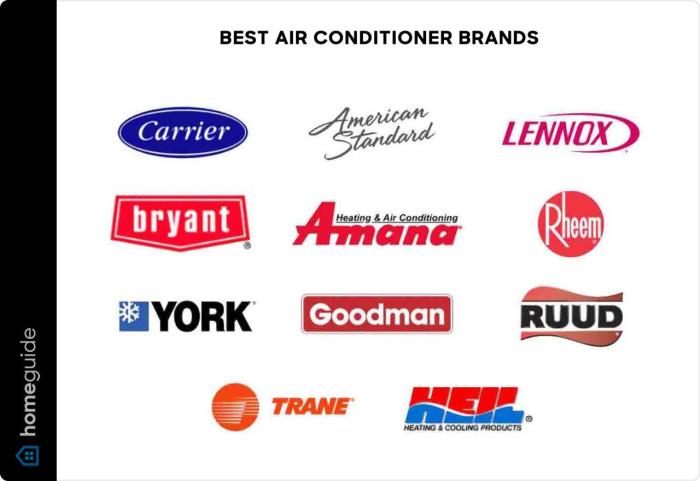
In conclusion, the comparison of Top Air Conditioner Brands in 2025 highlights the diverse approaches taken by leading brands in the industry. From performance metrics to environmental initiatives, each brand offers a unique value proposition for consumers seeking efficient and eco-friendly cooling solutions.
As we look ahead to the future, these insights pave the way for informed decisions in selecting the ideal air conditioner for your needs.
Frequently Asked Questions
What are the key factors to consider when comparing top air conditioner brands in 2025?
When comparing top air conditioner brands in 2025, it's essential to look at technological innovations, environmental impact, performance metrics, and customer satisfaction to make an informed decision.
How do I assess the energy efficiency features of air conditioners from different brands?
To assess energy efficiency features, look for the SEER rating, Energy Star certification, and inverter technology used by different brands, which can indicate the unit's energy-saving capabilities.
What steps are top air conditioner brands taking to reduce their carbon footprint?
Top air conditioner brands are implementing eco-friendly refrigerants, improving manufacturing processes, and focusing on product lifecycle sustainability to reduce their carbon footprint and promote environmental conservation.
How can I determine the cooling capacity and air quality of air conditioners from different brands?
Cooling capacity is measured in BTUs and tonnage, while air quality can be assessed through filters, noise levels, and airflow. Customer reviews also provide insights into the actual performance of the units.
Are there common complaints or issues faced by customers with top air conditioner brands?
Common complaints may include noise levels, installation difficulties, or issues with durability. It's important to research customer reviews and ratings to understand any recurring problems with specific brands.