

Exploring the world of Eco-Friendly Air Conditioners: A Sustainable Choice, this introduction sets the stage for an enlightening discussion on how these innovative cooling solutions are transforming the way we think about comfort and sustainability.
In the following paragraphs, we will delve deeper into the environmental benefits, essential features, installation and maintenance tips, and the significant impact on our planet.
Benefits of Eco-Friendly Air Conditioners
Eco-friendly air conditioners offer numerous environmental advantages compared to traditional units. These benefits include reducing greenhouse gas emissions, conserving energy, and minimizing overall environmental impact.
Reduced Electricity Consumption
Energy-efficient models of eco-friendly air conditioners are designed to consume less electricity while still providing effective cooling. By using less power, these units help lower energy bills and decrease the demand on power plants, ultimately reducing the carbon footprint associated with cooling homes and buildings.
Long-Term Cost Savings
While eco-friendly air conditioners may have a higher upfront cost compared to traditional units, they often result in long-term cost savings. The reduced energy consumption of these units leads to lower utility bills over time, making them a more economical choice in the long run.
Additionally, some governments offer incentives or rebates for installing eco-friendly appliances, further increasing the cost-effectiveness of these sustainable AC units.
Features to Look for in Eco-Friendly Air Conditioners
When choosing an eco-friendly air conditioner, there are several key features to consider that contribute to sustainability and energy efficiency.
Energy Star Certification
- Look for air conditioners with Energy Star certification, as they are proven to be more energy-efficient and environmentally friendly compared to non-certified models.
- Energy Star-rated units can help reduce electricity consumption and lower energy costs over time.
Refrigerants like R-32 or R-410A
- Opt for air conditioners that use eco-friendly refrigerants like R-32 or R-410A, which have lower global warming potential (GWP) compared to older refrigerants like R-22.
- These refrigerants are more environmentally friendly and help reduce the carbon footprint of the air conditioning system.
Variable-Speed Air Handlers
- Choose air conditioners with variable-speed air handlers, as they can adjust the airflow based on cooling demands, increasing efficiency and reducing energy consumption.
- Variable-speed air handlers help maintain a consistent temperature and humidity level in the space, providing better comfort and energy savings.
Installation and Maintenance Tips for Eco-Friendly ACs
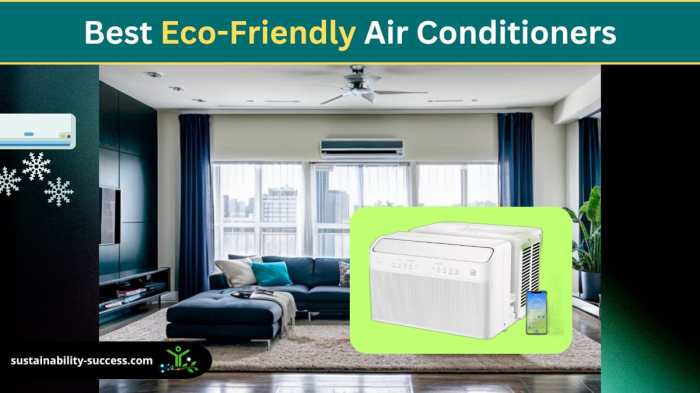
In order to ensure that your eco-friendly air conditioner functions efficiently and effectively, proper installation and regular maintenance are essential.
Proper Installation Steps
- Choose the right location: Select a spot that allows for proper airflow and is away from direct sunlight or heat sources.
- Ensure proper insulation: Make sure that the area around the unit is well insulated to prevent energy wastage.
- Correct sizing: Install an AC unit that is the right size for the space you need to cool to avoid overworking the system.
- Follow manufacturer instructions: Always refer to the manufacturer's guidelines for installation to avoid any errors.
Importance of Regular Maintenance
Regular maintenance is crucial for the longevity and efficiency of your eco-friendly air conditioner. Here are some key maintenance tips to follow:
- Clean or replace filters: Dirty filters can reduce airflow and energy efficiency, so clean or replace them regularly.
- Check for leaks: Inspect the unit for any leaks in the refrigerant lines and address them promptly to prevent energy wastage.
- Annual tune-up: Schedule an annual maintenance check-up by a professional to ensure all components are working optimally.
- Keep the outdoor unit clean: Remove debris, leaves, and dirt from the outdoor unit to maintain proper airflow.
Maximizing Energy Savings
To maximize energy savings with your eco-friendly air conditioner, follow these tips:
- Use a programmable thermostat: Set your thermostat to adjust the temperature based on your schedule to avoid unnecessary cooling.
- Keep doors and windows closed: Prevent cool air from escaping by keeping doors and windows closed when the AC is running.
- Utilize fans: Use ceiling fans or portable fans to help circulate cool air efficiently throughout the space.
- Avoid setting the temperature too low: Set the temperature to a comfortable level to save energy and reduce strain on the system.
Environmental Impact of Conventional Air Conditioners vs. Eco-Friendly Models
When comparing the environmental impact of traditional air conditioners to eco-friendly models, it becomes evident that the choice of cooling system can significantly affect our planet.One of the key differences lies in the carbon footprint associated with these two types of air conditioners.
Traditional AC units typically use refrigerants with high global warming potential, contributing to the greenhouse effect and climate change. On the other hand, eco-friendly air conditioners utilize refrigerants that have lower global warming potential, thus reducing their impact on the environment.
Global Warming Potential of Refrigerants
Refrigerants play a crucial role in the environmental impact of air conditioning systems. Conventional air conditioners often use hydrofluorocarbons (HFCs), which have a high global warming potential and can linger in the atmosphere for an extended period, exacerbating global warming.
In contrast, eco-friendly ACs use refrigerants such as hydrofluoroolefins (HFOs) or natural refrigerants like ammonia or CO2, which have significantly lower global warming potential and are more environmentally friendly.
Contribution to Reducing Greenhouse Gas Emissions
By opting for eco-friendly air conditioners, individuals and businesses can actively contribute to reducing greenhouse gas emissions. The lower global warming potential of the refrigerants used in these systems helps mitigate the impact on climate change. Additionally, eco-friendly models are often more energy-efficient, further lowering overall electricity consumption and reducing the carbon footprint associated with cooling.
Outcome Summary
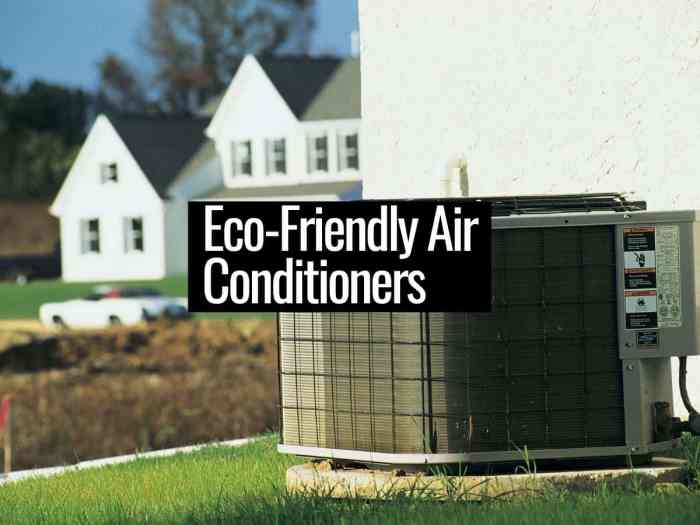
In conclusion, Eco-Friendly Air Conditioners offer a path towards a greener future, where cooling our spaces no longer comes at the expense of our planet. By embracing these sustainable choices, we can all contribute to a healthier environment for generations to come.
FAQ Guide
How do eco-friendly air conditioners help reduce electricity consumption?
Eco-friendly AC units are designed to be energy-efficient, using advanced technologies like inverter compressors and variable-speed air handlers to optimize performance and minimize power usage.
What are some common refrigerants used in eco-friendly air conditioners?
Refrigerants like R-32 or R-410A are commonly found in eco-friendly AC units due to their lower global warming potential compared to traditional refrigerants.
Why is regular maintenance important for eco-friendly air conditioners?
Regular maintenance ensures that eco-friendly AC units operate at peak efficiency, prolonging their lifespan and maximizing energy savings over time.