
Embark on a journey to discover the secrets of maximizing the lifespan of your air conditioning system. From understanding its components to optimal maintenance practices, this guide will equip you with the knowledge to keep your AC running smoothly for years to come.
Let's delve into the intricacies of air conditioning maintenance and usage to ensure your system operates efficiently and effectively.
Understand Your Air Conditioning System
Understanding the basic components of an air conditioning system is crucial for ensuring its longevity. Regular maintenance plays a key role in extending the lifespan of your AC unit. Let's delve into the importance of maintenance and common issues that can impact the system's durability.
Basic Components of an Air Conditioning System
An air conditioning system consists of several key components that work together to cool your home efficiently. These include:
- Compressor: Responsible for circulating refrigerant throughout the system.
- Condenser: Releases heat absorbed from the indoor air outside.
- Evaporator Coil: Absorbs heat from indoor air, cooling it down.
- Air Handler: Distributes cool air throughout your home.
Importance of Regular Maintenance
Regular maintenance is essential for keeping your air conditioning system running smoothly. By scheduling routine check-ups and cleaning, you can prevent potential issues and ensure optimal performance. Some benefits of regular maintenance include:
- Improved energy efficiency
- Extended lifespan of the system
- Prevention of costly repairs
Common Issues Impacting AC Lifespan
Several factors can shorten the life of your air conditioning unit if not addressed promptly. Some common issues include:
- Refrigerant leaks
- Dirty filters
- Electrical problems
- Poor airflow
Regular Maintenance
Regular maintenance is crucial for ensuring your air conditioning system functions efficiently and lasts longer. By following a maintenance schedule and performing simple tasks, you can keep your AC unit in top condition.
Filters, Coils, and Fins
Regularly check and clean the filters, coils, and fins of your air conditioning system. Clogged filters can restrict airflow and reduce efficiency, while dirty coils and fins can impact overall performance. Here's a simple maintenance schedule to follow:
- Check filters every month and replace them if dirty.
- Clean coils and fins annually to remove dirt and debris buildup.
- Schedule professional maintenance at least once a year to ensure thorough cleaning and inspection.
Outdoor Unit Maintenance
The outdoor unit of your air conditioning system is exposed to the elements and can accumulate dirt, leaves, and debris. To maintain it properly, follow these tips:
- Regularly clean the area around the unit to prevent debris buildup.
- Clean the unit itself by gently hosing it down to remove dirt and grime.
- Trim any vegetation or plants near the unit to ensure proper airflow.
Refrigerant Levels and Ductwork
Checking refrigerant levels and ductwork is essential for the optimal performance of your air conditioning system. Low refrigerant levels can indicate a leak, while ductwork issues can lead to inefficiency. Here's why these checks are important:
- Have a professional check refrigerant levels annually to ensure proper cooling.
- Inspect ductwork for leaks, holes, or blockages that can affect airflow and efficiency.
- Address any refrigerant or ductwork issues promptly to prevent further damage to your system.
Optimal Usage Practices
Setting the thermostat correctly, using ceiling fans, and properly sizing and insulating your home are essential practices to extend the life of your air conditioning system.
Setting the Thermostat Correctly
One way to prolong the life of your air conditioning system is by setting the thermostat at an optimal temperature
Aim for a comfortable temperature that is not too cold, which will help your system operate more efficiently and last longer.
Using Ceiling Fans
Using ceiling fans in conjunction with your air conditioning system can help distribute cool air more effectively throughout your home. This allows you to set the thermostat at a slightly higher temperature while still feeling comfortable, reducing the workload on your AC unit and helping it last longer.
Make sure the fan is rotating counterclockwise in the summer to create a cooling breeze.
Properly Sizing and Insulating Your Home
Ensuring that your home is properly sized and insulated is crucial for efficient cooling and extending the life of your air conditioning system. A well-insulated home retains cool air better, reducing the need for the AC to run constantly. Additionally, having the right size unit for your home ensures that it doesn't have to work harder than necessary to cool the space, leading to less strain and a longer lifespan for the system.
Troubleshooting and Repairs
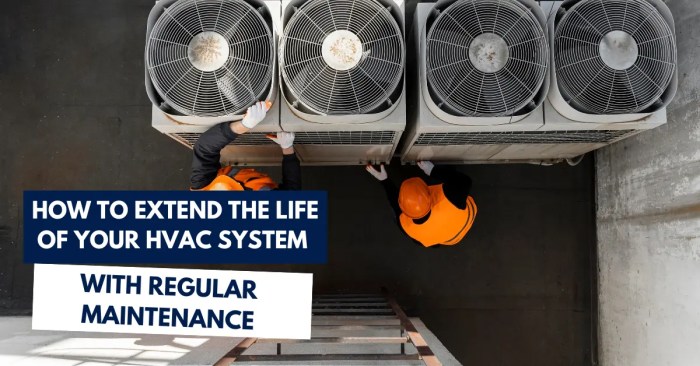
When it comes to troubleshooting and repairs for your air conditioning system, it's essential to be able to recognize common signs that indicate a need for professional attention. Additionally, knowing when you can attempt DIY troubleshooting steps for minor issues versus when it's best to call a professional HVAC technician can save you time, money, and potential further damage to your AC unit.
Common Signs for Professional Repair
- Warm air blowing from vents despite setting a low temperature.
- Unusual sounds such as grinding, squealing, or banging coming from the unit.
- Weak airflow or poor circulation throughout the space.
- Leaks or moisture buildup around the AC unit.
DIY Troubleshooting Steps
Before calling a professional, you can try some DIY troubleshooting steps for minor AC issues. Remember to always turn off the power to the unit before attempting any fixes.
- Check the air filters and replace them if dirty or clogged.
- Inspect the thermostat settings to ensure they are correctly configured.
- Clean the condenser coils and remove any debris or obstructions around the unit.
- Ensure all vents and registers are open and unobstructed for proper airflow.
Calling a Professional HVAC Technician
While some minor issues can be resolved with DIY troubleshooting, there are times when it's best to call a professional HVAC technician for repairs. If you encounter any of the following situations, it's recommended to seek professional help:
- If you have attempted DIY fixes, but the problem persists.
- If there are electrical issues or concerns with the wiring of the unit.
- If there is a refrigerant leak, which requires specialized equipment and expertise to handle.
- If the AC unit is experiencing frequent breakdowns or inefficiencies despite regular maintenance.
Concluding Remarks
In conclusion, by implementing the tips and practices Artikeld in this guide, you can significantly extend the life of your air conditioning system, saving you both time and money in the long run. Stay proactive in maintaining your AC to enjoy cool, crisp air for years to come.
Questions and Answers
How often should I replace the filters in my air conditioning system?
Filters should typically be replaced every 1-3 months, depending on usage and the type of filter you have. Regular filter changes help maintain proper airflow and improve indoor air quality.
Is it necessary to clean the coils and fins of my AC unit regularly?
Yes, cleaning the coils and fins is crucial for efficient heat transfer. Dirt and debris can hinder the system's performance, leading to higher energy consumption and potential damage. Aim to clean these components at least once a year.
What are some signs that indicate my air conditioning system needs professional repair?
Signs such as strange noises, weak airflow, or inconsistent cooling are red flags that your AC may require professional attention. Delaying repairs can worsen the issue and result in costly fixes.