
As Troubleshooting Day & Night AC Units: Quick Fixes takes center stage, this opening passage beckons readers with a crafted world of good knowledge, ensuring an absorbing and distinctly original reading experience.
In the following paragraphs, you will find detailed and clear information about the troubleshooting methods for common AC issues, cleaning and maintenance tips, checking thermostat and settings, and inspecting electrical connections.
Troubleshooting Common AC Issues
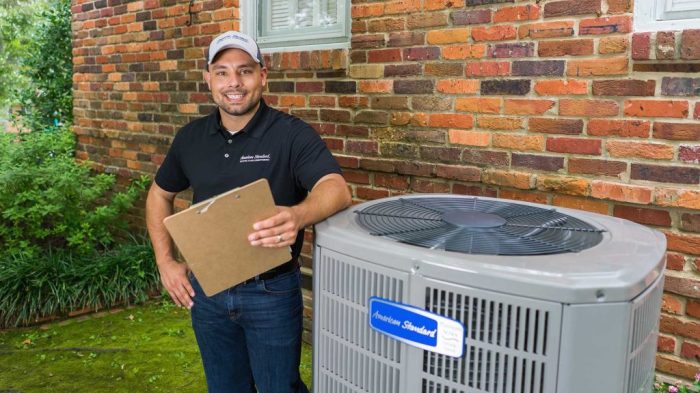
When it comes to Day & Night AC units, there are several common issues that can arise, causing inconvenience and discomfort. By understanding these problems and knowing how to address them quickly, you can ensure your unit operates efficiently.
1. Lack of Cooling
One of the most common issues with AC units is a lack of cooling. This can be caused by a dirty air filter, low refrigerant levels, or a malfunctioning thermostat. To fix this problem, start by checking and replacing the air filter.
If the issue persists, it's best to contact a professional to inspect and recharge the refrigerant levels.
2. Strange Noises
If your Day & Night AC unit is making strange noises such as rattling, buzzing, or squealing, it could indicate a problem with the fan motor, compressor, or other components. Check for any loose parts and tighten them if needed.
If the noise continues, it's recommended to schedule a maintenance check to prevent further damage.
3. Uneven Cooling
Uneven cooling throughout your home can be a frustrating issue caused by blocked vents, a malfunctioning thermostat, or poor insulation. Ensure all vents are open and unobstructed to allow proper airflow. If the problem persists, consider upgrading your insulation or adjusting your thermostat settings for better temperature control.
4. AC Leaks
If you notice water or refrigerant leaks around your Day & Night AC unit, it could be due to a clogged condensate drain line or a refrigerant leak. Clear any obstructions in the drain line and monitor for leaks. If the issue persists, it's crucial to contact a professional to repair the leak and prevent further damage.
Importance of Regular Maintenance
Regular maintenance of your Day & Night AC unit is essential in preventing these common issues and ensuring optimal performance. By scheduling annual tune-ups, cleaning or replacing filters regularly, and addressing any minor problems promptly, you can extend the lifespan of your unit and avoid costly repairs in the future.
Cleaning and Maintenance Tips
Regular cleaning and maintenance of your Day & Night AC unit is crucial to ensure optimal performance and longevity. Here are some tips to keep your unit running efficiently.
Cleaning the Filters
One of the most important maintenance tasks for your AC unit is cleaning or replacing the filters regularly. Clogged filters can restrict airflow and reduce the unit's efficiency.
- Turn off the AC unit before starting the cleaning process.
- Locate the air filters, which are usually located behind the front grille or inside the air handler unit.
- Carefully remove the filters and clean them with a vacuum cleaner or wash with mild soap and water if they are reusable.
- Allow the filters to dry completely before reinstalling them.
- Make it a habit to check and clean the filters every 1-2 months, especially during peak usage seasons.
Maintaining Airflow and Ventilation
Proper airflow and ventilation are essential for the efficient operation of your AC unit.
- Ensure there are no obstructions around the air vents and registers to allow unrestricted airflow.
- Consider using a ceiling fan to help circulate the cooled air throughout the room.
- Keep curtains or blinds closed during the hottest part of the day to prevent heat build-up inside your home.
Cleaning the External Unit
The external unit of your AC system also requires regular cleaning to maintain optimal performance
- Remove any debris, such as leaves, twigs, or dirt, from the exterior of the unit to prevent airflow blockages.
- Clean the condenser coils with a soft brush or vacuum to remove dirt and debris that can hinder heat transfer.
- Trim any vegetation or shrubs around the unit to ensure proper airflow and ventilation.
- Inspect the unit for any signs of damage or wear and tear, and schedule professional maintenance if needed.
Checking Thermostat and Settings
When it comes to troubleshooting your AC unit, checking the thermostat and settings is crucial to ensure optimal performance and comfort in your home.Thermostat calibration plays a key role in maintaining a comfortable indoor temperature. A properly calibrated thermostat will accurately measure the temperature in your home and adjust the AC unit accordingly.
If the thermostat is not calibrated correctly, it can lead to issues such as the AC running constantly or not cooling the space effectively.
Tips for Setting the Thermostat
- Set the thermostat to a temperature that is comfortable for you, typically around 78 degrees Fahrenheit for cooling.
- Consider using a programmable thermostat to automatically adjust the temperature based on your schedule and preferences.
- Avoid setting the thermostat too low, as this can lead to increased energy consumption and strain on the AC unit.
Troubleshooting Thermostat Issues
- Check the thermostat batteries to ensure they are functioning properly.
- Verify that the thermostat is set to the correct mode (cooling or heating) and fan setting.
- Inspect the thermostat for any dust or debris that may be affecting its accuracy.
Inspecting Electrical Connections
Inspecting electrical connections in your AC unit is crucial for ensuring its proper function and efficiency. Loose or faulty connections can lead to a variety of issues, including system malfunctions and even potential safety hazards. Here's a detailed guide on how to check and tighten electrical connections in your AC unit, along with important safety precautions to keep in mind.
Checking and Tightening Electrical Connections
- Before starting any inspection or maintenance work, make sure to turn off the power to your AC unit to avoid any risk of electric shock.
- Locate the electrical panel of your AC unit, usually found near the condenser unit outside your home.
- Inspect all electrical connections for signs of wear, corrosion, or looseness. Tighten any loose connections using a screwdriver or appropriate tool.
- Check for any signs of overheating or burning around the connections, which may indicate a more serious issue that requires professional attention.
Safety Precautions
- Always wear insulated gloves and use insulated tools when working with electrical components to prevent electric shock.
- Avoid touching any bare wires or connections with your bare hands to reduce the risk of injury.
- If you are unsure about any electrical work or if you notice any significant damage, it's best to contact a professional technician to handle the repairs.
Impact of Loose Connections
- Loose electrical connections can lead to increased energy consumption and reduced efficiency of your AC unit.
- They can also cause the system to overheat, leading to potential damage to other components and a shorter lifespan for your unit.
- Regularly inspecting and tightening electrical connections can help maintain the performance and longevity of your AC unit, saving you money on energy bills and costly repairs in the long run.
Last Recap
In conclusion, Troubleshooting Day & Night AC Units: Quick Fixes offers a comprehensive guide to addressing common AC problems efficiently, maintaining optimal performance, and ensuring a comfortable indoor environment. Dive into these quick fixes to keep your AC units running smoothly.
FAQs
How often should I clean the filters in my AC unit?
It is recommended to clean or replace the filters every 1-2 months to maintain optimal performance.
What are some safety precautions to keep in mind when dealing with electrical connections in AC units?
Always turn off the power before inspecting or tightening electrical connections to prevent the risk of electric shock.
How can I ensure proper airflow and ventilation in my AC unit?
Regularly check and clean the external unit to remove any debris or obstructions that may hinder airflow.
Why is thermostat calibration important for maintaining a comfortable indoor temperature?
Thermostat calibration ensures that your AC unit operates efficiently and accurately to provide the desired temperature levels.